
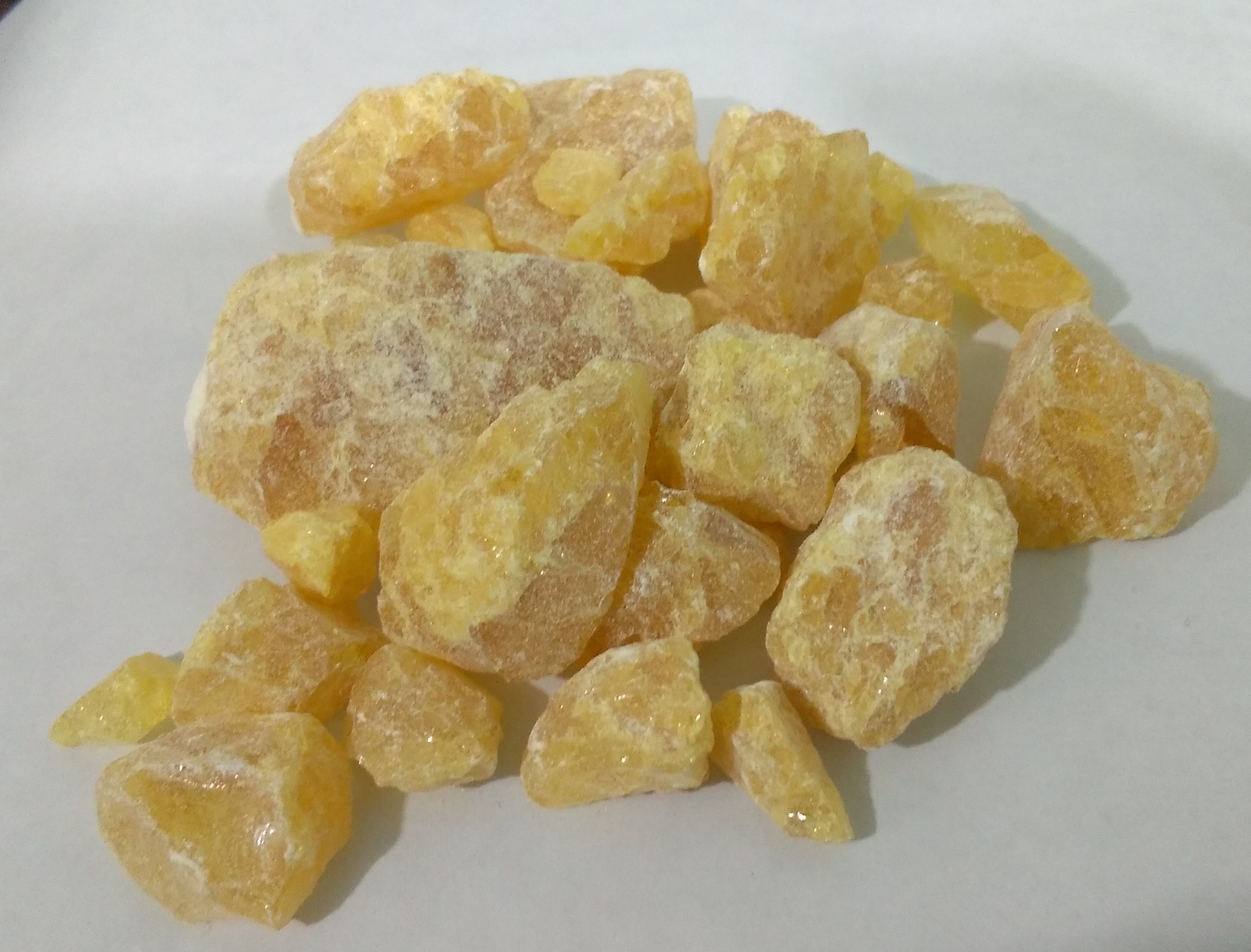

Gum Rosin – WW Grade
Price range: $10.00 through $40.00 Including GST
Rosin, also called Colophony, and Greek pitch is a solid form of resin obtained from various species of Pine trees and some other conifers. The resin is usually produced by heating fresh liquid resin to vaporize the volatile liquid terpene components.
It is often semi-transparent and ranges in colour from black to yellow.
The commercial grades are numerous, ranging by letters from A (the darkest) to N (extra pale), superior to which are W (window glass) and WW (water-white) varieties, the latter having about three times the value of the common qualities.
At room temperature Pine resin is brittle, but it easily melts at slightly higher temperatures and is soluble in alcohol (to make a varnish) and mixed with bees wax and oil to make a wood polish
Natural Reusable Food Wraps
Gum Rosin is a popular ingredient for making reusable Beeswax food-wraps (often combined Beeswax and Jojoba oil).
In soap making it is used to make Pine Tar Soap, used at a rate of 2 to 5 % of total soap volume
Fine art uses rosin for tempera emulsions and as painting-medium component for oil paintings. It is soluble in oil of turpentine and turpentine substitute, and needs to be warmed.
An ingredient of depilatory wax
Players of bowed string instruments rub cakes or blocks of the resin on their bow hair so it can grip the strings and make them speak, or vibrate clearly.
Related products
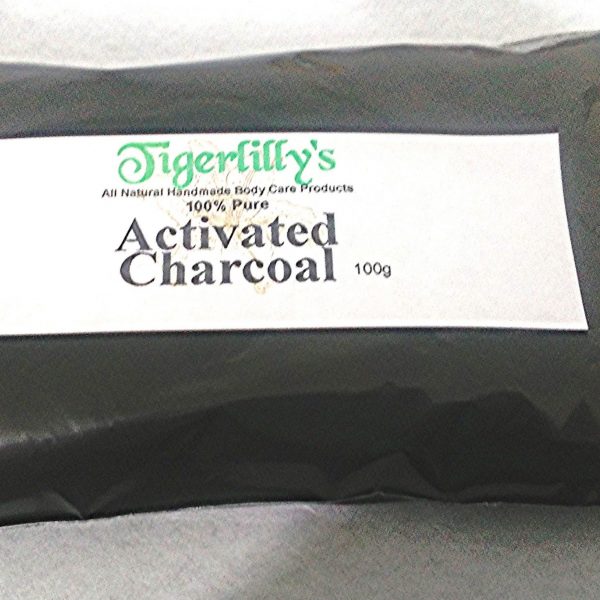
Activated Charcoal
Activated Charcoal - Pharmaceutical grade
Activated charcoal has a long history of medical and cosmetic use. It is also often used in soap making
Activated charcoal is a special form of carbon that can bind other substances on its surface (adsorption).
Caution: charcoal stains fabric
This product has not been certified as food grade
Clay – Australian Beige
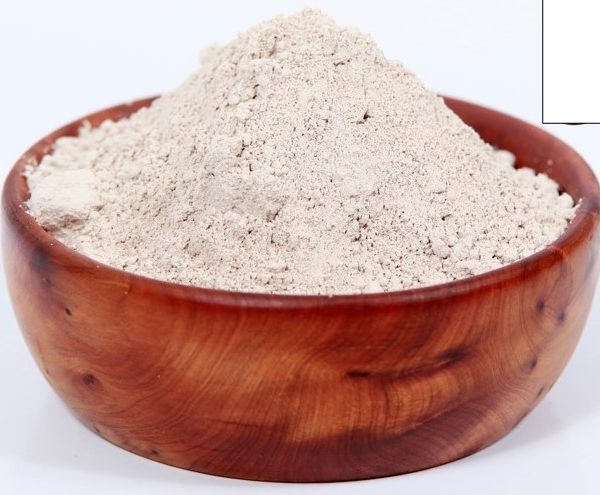
Beige Clay from Australia
Contains minerals including magnesium, calcium, copper, zinc, and potassium
It is said it stimulate blood circulation and the lymph system. Helps to eliminate toxins. Provides a toned, refreshed and youthful glow. It is suitable for both dry and oily skin types
Can be used in detoxifying body wraps, facial masks, face and body scrubs, soaps, mineral based or cream based cleansers, cosmetics and facial powders
100g
Stearic Acid
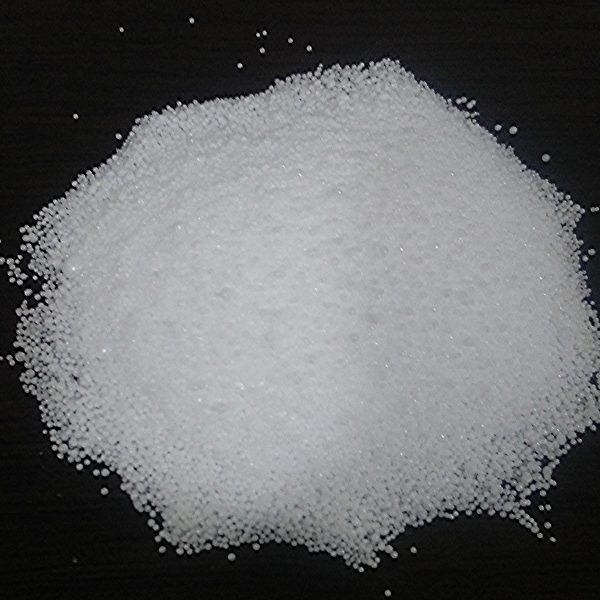
Stearic acid is a fatty acid found in many plant oils. Due to it's molecular structure it is widely used in cosmetics as an emulsifier and can also be found in soaps, solid shampoo bars, body washes, creams and lotions,. It helps to bind and thicken the products so they adhere smoothly to the skin
It penetrates the skin, providing emollient, skin-softening properties. It has become a primary choice for many bath & body manufacturers as it is used to emulsify, thicken, or otherwise bind and stabilize lotions and creams.
It is particularly useful on cleansers as it allows for dirt and oils to be lifted from the skins surface by water.
As Stearic acid is a waxy solid, it also helps to harden soap bars. This same property makes it useful for candles, adding firmness, a longer burn-time.
200g
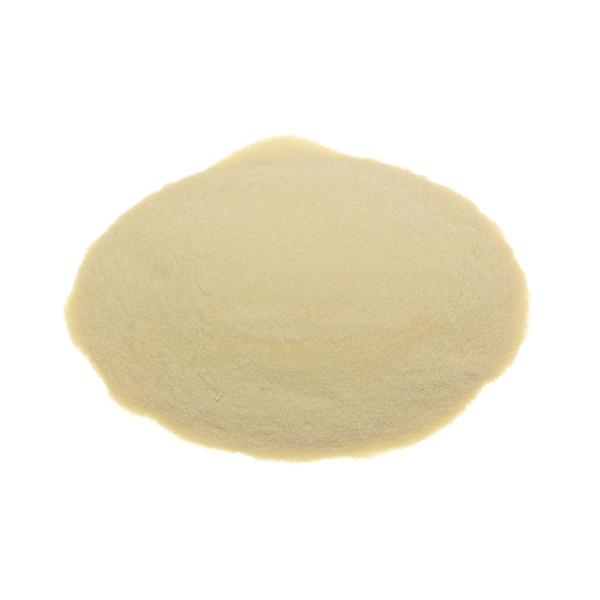
Xanthan Gum
Xanthan gum is a natural emulsifier, thickener and stabilizer, derived from bacterial fermentation of corn sugar. With amazing properties including solubility in both hot and cold water, tolerance to salt, tolerance to pH and temperature changes, it is ideal for making gels and for thickening and adding volume to lotions and creams. Use at 0.5-1%. For quick easy dispersion, mix Xanthan Gum with vegetable glycerin (this prevents lumps and reduces mixing time)
Food Use
Xanthan gum is also used as a substitute for wheat gluten in gluten-free breads, pastas and other flour-based food products. The Xanthan gum will help give the dough or batter a sticky consistency that would normally be achieved with gluten.
Use at 1-2 tsp per cup on gluten free flour.

Reviews
There are no reviews yet.