
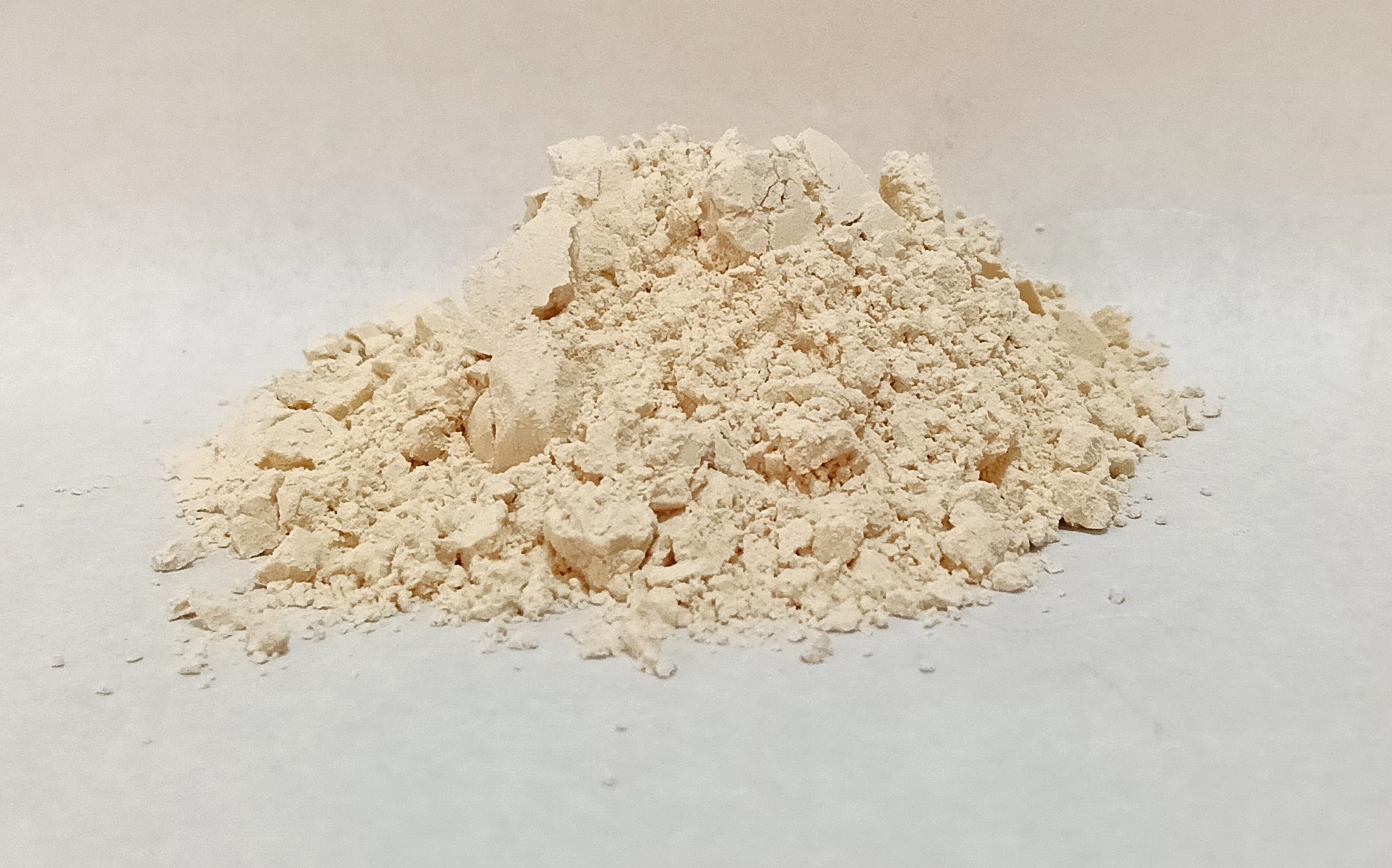

Clay – Australian Bentonite Clay Organic
$8.00 Including GST
Organic Bentonite Clay is a Sodium Bentonite, sourced from a natural deposit in Australia. It is finely milled to 45 microns, resulting in a silky-smooth powder with many uses.
Bentonite Clay, also known as Montmorillonite, is known to have an abundance of minerals, including calcium, magnesium, silica, sodium, copper, iron and potassium.
Compliant to Food Standards Australia and New Zealand, and can be used externally and internally. There are no chemicals used in its harvesting and production – it is simply dried, milled and packaged
Bentonite clay is fabulous in cosmetic recipes, soap recipes, and other bath and body recipes.
Bentonite clay is used in face mask formulations to help clean impurities from the skin. It clay can be added to cold process soap during trace to help oily skin.
Bentonite clay can be added to shaving soap formulas as it provides glide on the skin
Bentonite clay is a natural healing clay. Bentonite Clay is negatively charged attracting and binding toxins. It swells like a highly porous sponge when mixed with water. Toxins are drawn into the sponge through electrical attraction, and once there, they are bound.
How to use Bentonite Clay
Here are just some ways you can reap the benefits of adding clay to your day
Add 1 cup in a warm bath and soak for 20 minutes.
You can either sprinkle the clay on the water and mix as you go, or pre-mix in a bowl and add this thick liquid to your bath. Even more fun – apply it as a paste all over your body and let it dissolve off you in the tub!
Face mask. Make a paste with one part bentonite to two parts water, and apply to your skin. After 15 minutes, rinse it off with warm water. You can use this a clay pack anywhere on your body.
Clay is a wonderful, natural and safe alternative to talc and baby powder.
200g
Product Enquiry
Related products
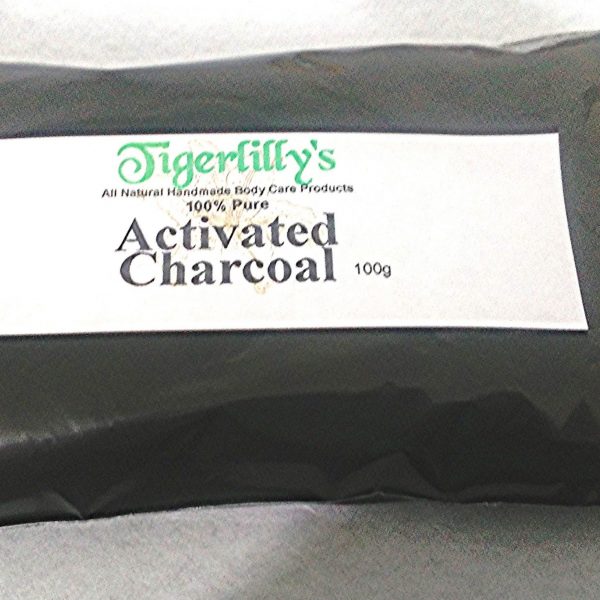
Activated Charcoal
Activated Charcoal - Pharmaceutical grade
Activated charcoal has a long history of medical and cosmetic use. It is also often used in soap making
Activated charcoal is a special form of carbon that can bind other substances on its surface (adsorption).
Caution: charcoal stains fabric
This product has not been certified as food grade
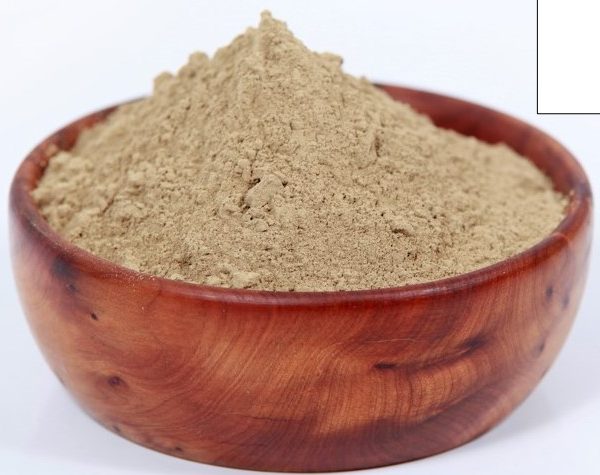
Clay – Australian Olive Green
Olive Green Clay from Australia
Recommended for normal to oily skin, draws out impurities and tightens pores. Olive Green Australian Clay is the strongest of all clay's and is best for detoxification and acne prone and oily skin.
Said to have analgesic and anti-inflammatory properties which makes it useful for muscular pain, swelling and arthritic or rheumatic conditions
Can be used in detoxifying body wraps, facial masks, face and body scrubs, soaps, mineral based or cream based cleansers, cosmetics and facial powders
100g
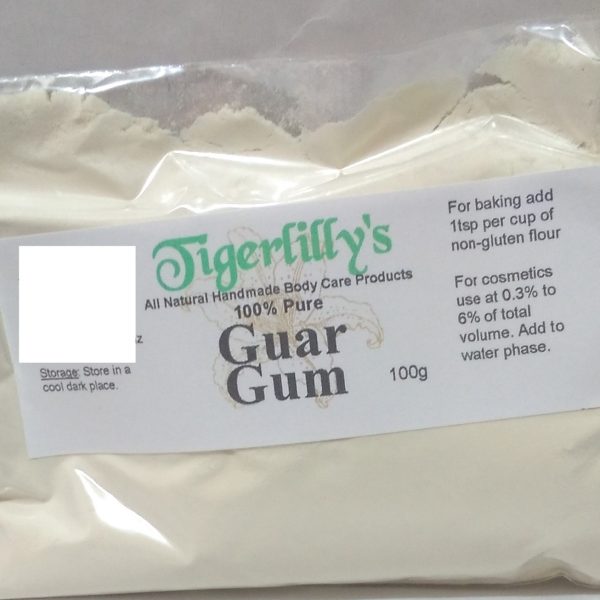
Guar Gum
Guar gum is derived from the endosperm of the Guar or Cluster bean. It is a water-soluble, non-ionic thickener making it useful in a wide range of products
Food Use
Guar gum is a natural food thickener used in cooking and baking to bind, thicken and emulsify gluten-free ingredients. It has significantly more thickening ability than cornstarch. Guar gum is ideal for anyone looking for a thickener, emulsifier and firming agent in baked goods, jams and jellies, soups, salad dressings, sauces, syrups, juices and dairy products. Suggested usage rate ranges between 1/2 to 1 teaspoons per cup of flour
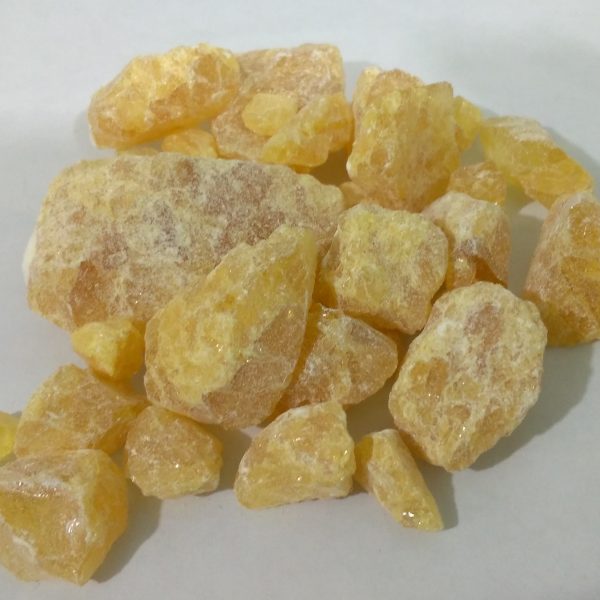
Gum Rosin – WW Grade
Rosin, also called Colophony, and Greek pitch is a solid form of resin obtained from various species of Pine trees and some other conifers. The resin is usually produced by heating fresh liquid resin to vaporize the volatile liquid terpene components.
It is often semi-transparent and ranges in colour from black to yellow.
The commercial grades are numerous, ranging by letters from A (the darkest) to N (extra pale), superior to which are W (window glass) and WW (water-white) varieties, the latter having about three times the value of the common qualities.
At room temperature Pine resin is brittle, but it easily melts at slightly higher temperatures and is soluble in alcohol (to make a varnish) and mixed with bees wax and oil to make a wood polish
Natural Reusable Food Wraps
Gum Rosin is a popular ingredient for making reusable Beeswax food-wraps (often combined Beeswax and Jojoba oil).
In soap making it is used to make Pine Tar Soap, used at a rate of 2 to 5 % of total soap volume
Fine art uses rosin for tempera emulsions and as painting-medium component for oil paintings. It is soluble in oil of turpentine and turpentine substitute, and needs to be warmed.
An ingredient of depilatory wax
Players of bowed string instruments rub cakes or blocks of the resin on their bow hair so it can grip the strings and make them speak, or vibrate clearly.
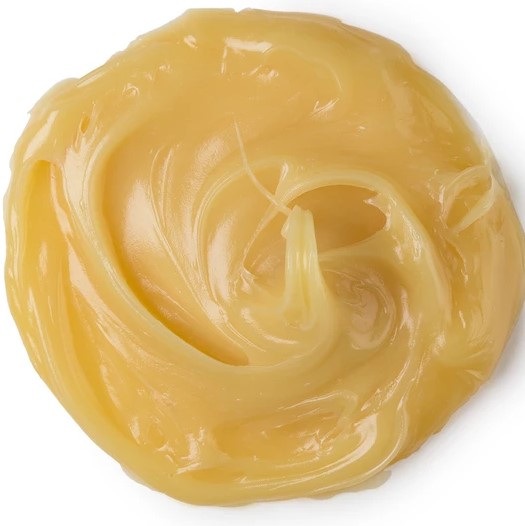
Lanolin
Lanolin is similar to substances found in humans skin it acts as an excellent emollient acting to soothe, moisturise and protect the skin whilst also functioning as an occlusive to help prevent moisture loss though the epidermis.
It is high alpha hydroxy acids which are commonly touted as having anti-aging and wrinkle reducing properties.
can also be used to treat chapped lips, diaper rash, dry skin, itchy skin, calluses, minor incisions and abrasions. Many varieties of shaving cream contain lanolin. As an ointment base, it is readily absorbed through skin.
Can be used in lip balms, moisturisers, body butters, creams, lotions, soap and hair products.

Reviews
There are no reviews yet.