
Potassium Sorbate
$6.00 Including GST
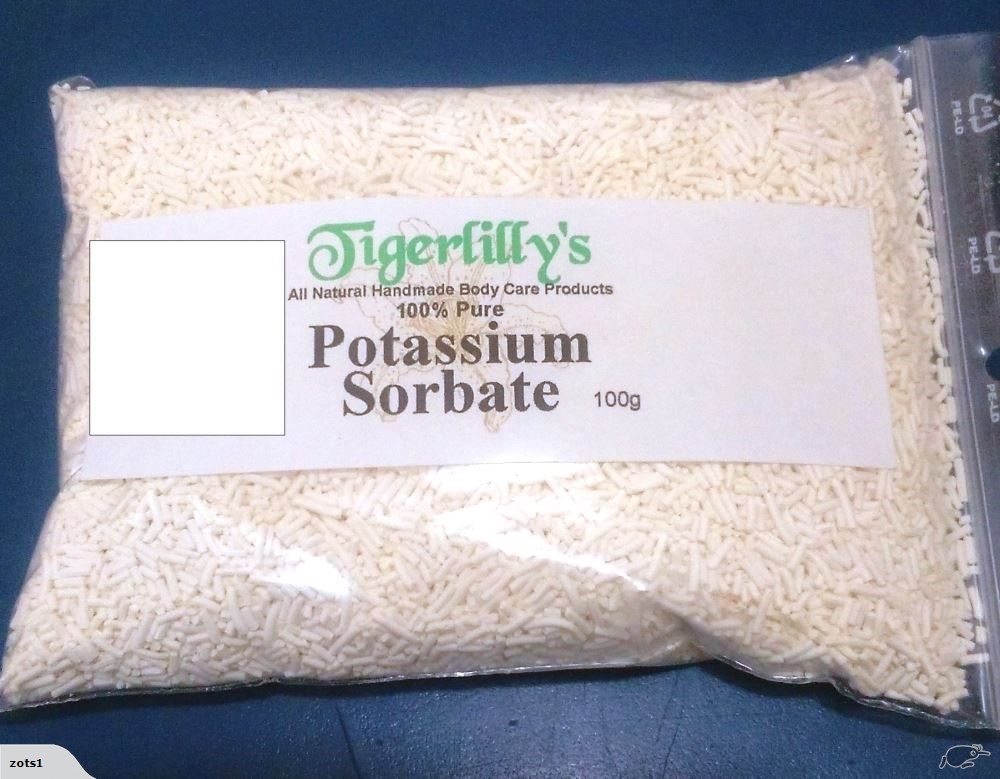
Potassium Sorbate is widely used as a preservative for food and cosmetics. In a solution it releases sorbic acid which is the active compound.
I use this as my preservative in my skin care products (only in those that require a preservative).
Potassium sorbate is effective against yeasts and moulds and can be used for a variety of preservative applications .
100g
Related products
Clay – Australian Bentonite Clay Organic
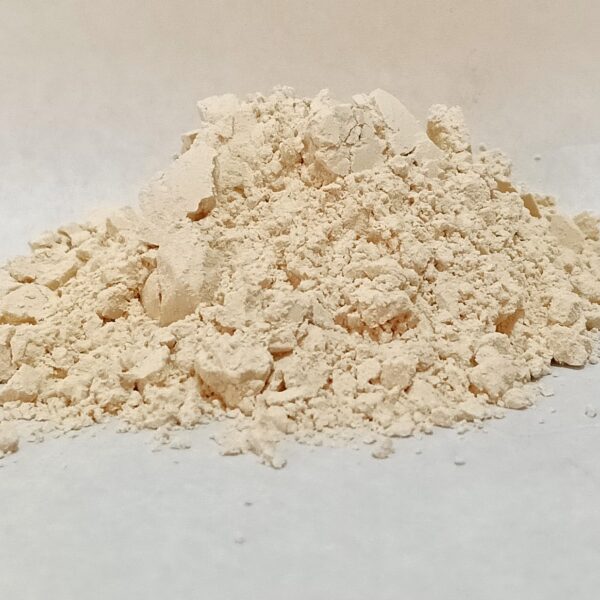
Organic Bentonite Clay is a Sodium Bentonite, sourced from a natural deposit in Australia. It is finely milled to 45 microns, resulting in a silky-smooth powder with many uses.
Bentonite Clay, also known as Montmorillonite, is known to have an abundance of minerals, including calcium, magnesium, silica, sodium, copper, iron and potassium.
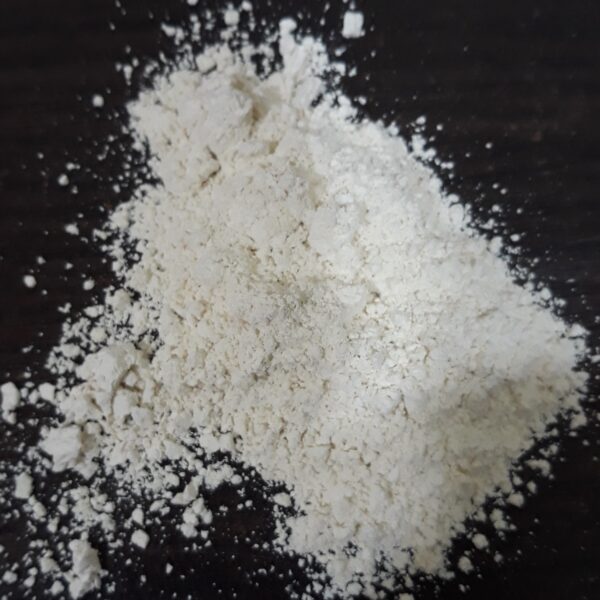
Clay – Kaolin
Kaolin Clay's natural absorbent properties make it an perfect for facial masks, powders, and hygiene products is often found in soaps, scrubs, poultices, and deodorants.
Kaolin Clay is rich in calcium, silica, zinc and magnesium used for oily, acne-prone, sensitive, normal and dry skin. The mildest of all clay, helps stimulate circulation to the skin while gently exfoliating and cleansing it, bringing a smooth and healthy glow.
Can be used in detoxifying body wraps, facial masks, face and body scrubs, soaps, mineral based or cream based cleansers, cosmetics and facial powders
100g
To Use.
When using clay add purified water or floral water, mix into a paste, and apply to the face or body. Allow to dry, rinse it off, spray with floral water or toner, and use your favourite moisturiser to finish.
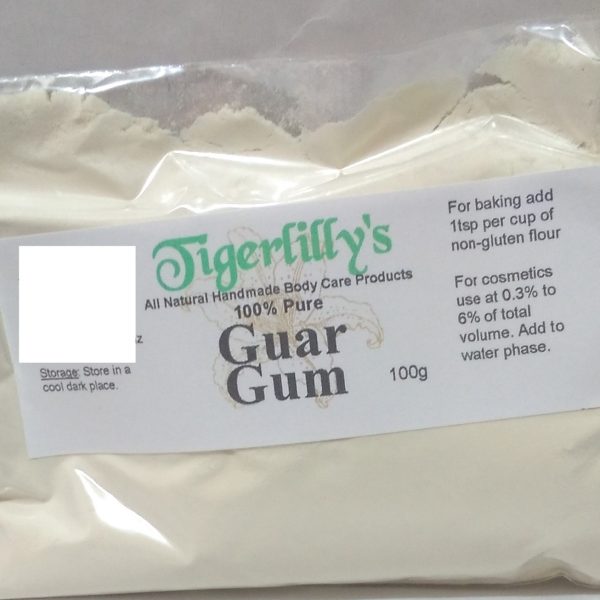
Guar Gum
Guar gum is derived from the endosperm of the Guar or Cluster bean. It is a water-soluble, non-ionic thickener making it useful in a wide range of products
Food Use
Guar gum is a natural food thickener used in cooking and baking to bind, thicken and emulsify gluten-free ingredients. It has significantly more thickening ability than cornstarch. Guar gum is ideal for anyone looking for a thickener, emulsifier and firming agent in baked goods, jams and jellies, soups, salad dressings, sauces, syrups, juices and dairy products. Suggested usage rate ranges between 1/2 to 1 teaspoons per cup of flour
Menthol Crystals
Menthol crystals are naturally produced through Peppermint (Mentha arvensis) essential oil extraction. Menthol is the solid constituent this oil which gives the oil it's characteristic odour.
Menthol crystals are cooling, refreshing and have a strong peppermint perfume. They are used in perfumes, throat sprays and lozenges, analgesic balms, lotions, medicated creams, mouthwash, gum, foot sprays, pain relief or cooling body products, shampoos, conditioners, and are especially useful in liniments that help relieve muscular aches, coughing, and respiratory problems.
Menthol crystals are easily solubilized in slightly warmed fixed oils, making it easily added to ointments, salves and balms. Menthol is used in pharmaceutical formulations for its analgesic and cooling effects. It can be used in cosmetics containing peppermint to boost its cooling and freshening effects. It is also widely used in the confectionery and flavoring industries.
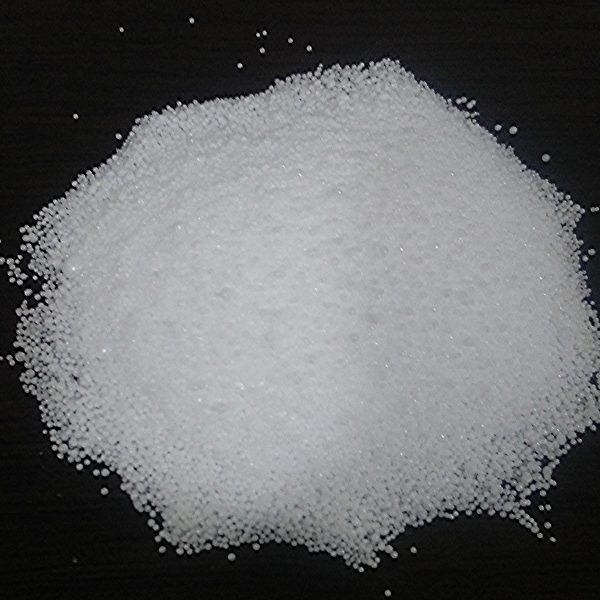
Stearic Acid
Stearic acid is a fatty acid found in many plant oils. Due to it's molecular structure it is widely used in cosmetics as an emulsifier and can also be found in soaps, solid shampoo bars, body washes, creams and lotions,. It helps to bind and thicken the products so they adhere smoothly to the skin
It penetrates the skin, providing emollient, skin-softening properties. It has become a primary choice for many bath & body manufacturers as it is used to emulsify, thicken, or otherwise bind and stabilize lotions and creams.
It is particularly useful on cleansers as it allows for dirt and oils to be lifted from the skins surface by water.
As Stearic acid is a waxy solid, it also helps to harden soap bars. This same property makes it useful for candles, adding firmness, a longer burn-time.
200g
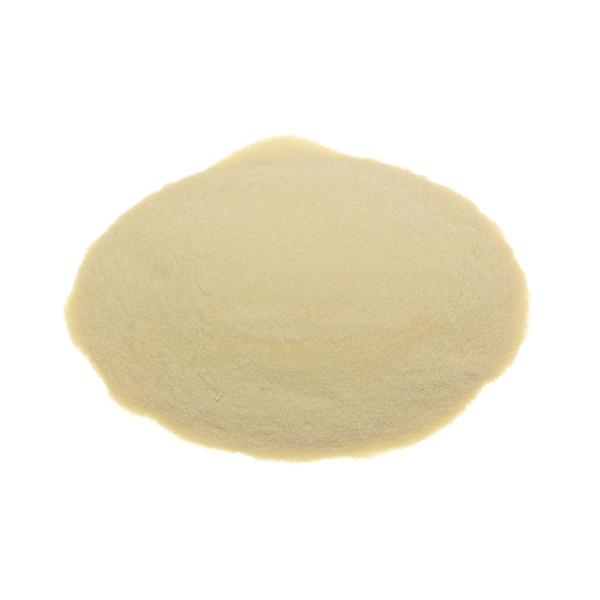
Xanthan Gum
Xanthan gum is a natural emulsifier, thickener and stabilizer, derived from bacterial fermentation of corn sugar. With amazing properties including solubility in both hot and cold water, tolerance to salt, tolerance to pH and temperature changes, it is ideal for making gels and for thickening and adding volume to lotions and creams. Use at 0.5-1%. For quick easy dispersion, mix Xanthan Gum with vegetable glycerin (this prevents lumps and reduces mixing time)
Food Use
Xanthan gum is also used as a substitute for wheat gluten in gluten-free breads, pastas and other flour-based food products. The Xanthan gum will help give the dough or batter a sticky consistency that would normally be achieved with gluten.
Use at 1-2 tsp per cup on gluten free flour.

Reviews
There are no reviews yet.