
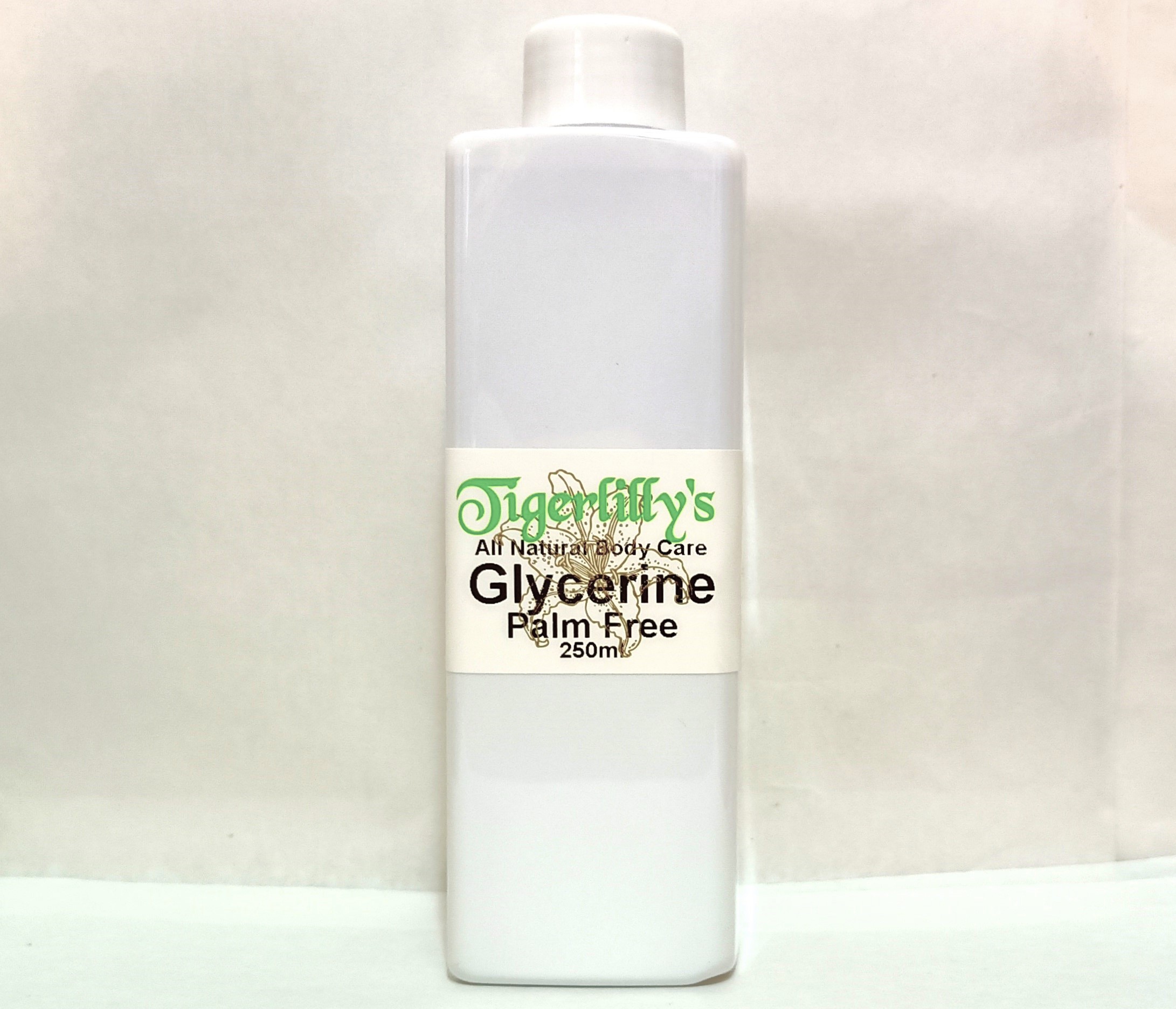
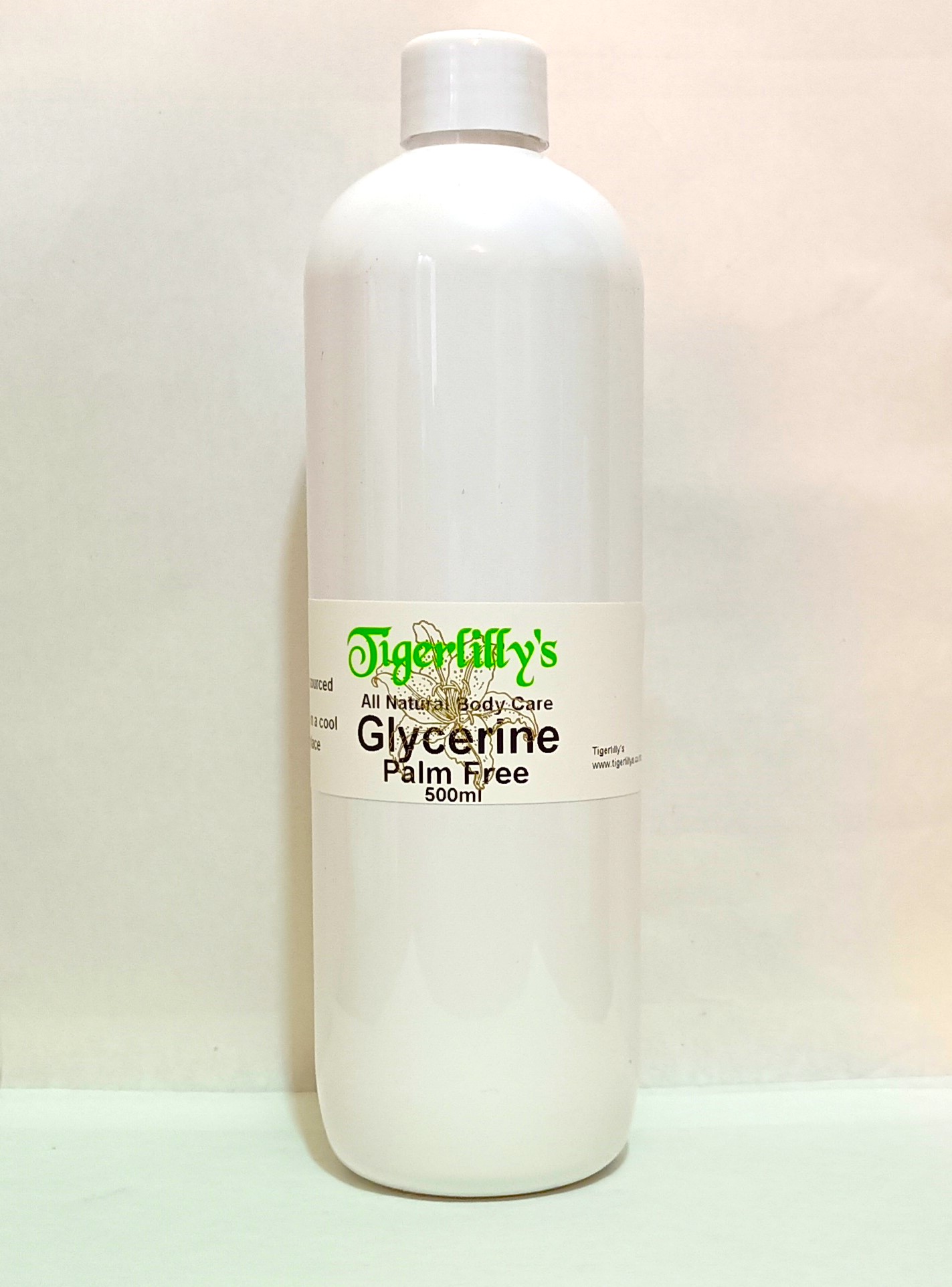
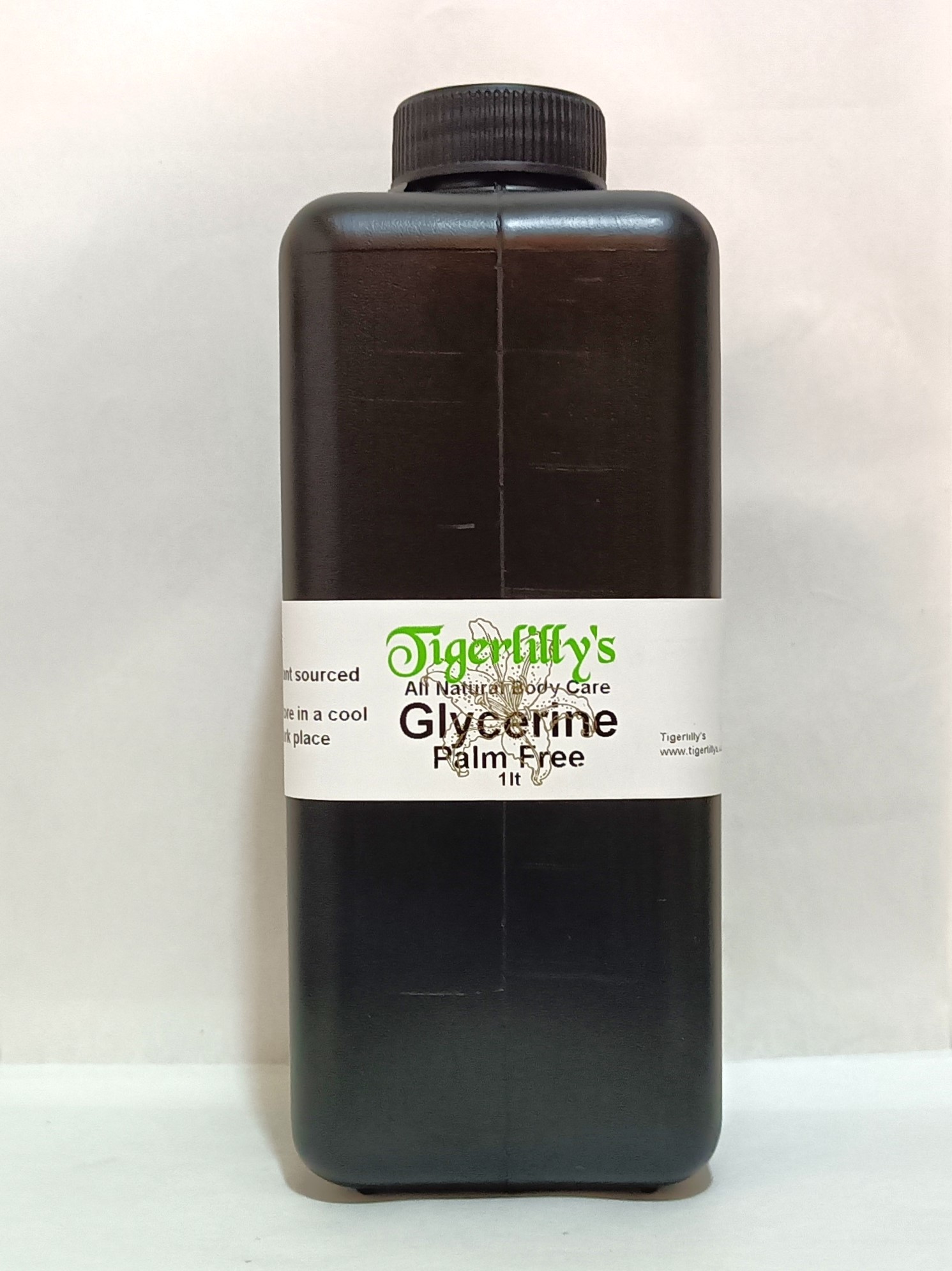
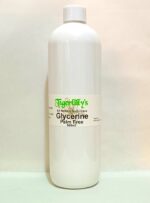
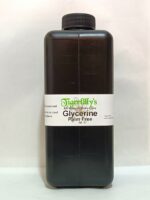
Vegetable Glycerine – Palm-Free USP grade
Price range: $11.00 through $30.00 Including GST
Common Names – Glycerin, Glycerine and Glycerol
Organic Status – Not Organic
Uses
USP (United States Pharmacopeia) Grade
Our high quality plant-derived Glycerine is derived from rapeseed oil.
Glycerine is used as a humectant, solvent and emollient in cosmetic formulations.
Glycerine is soluble in water and is added to the water phase of formulations.
Glycerine is a preservative and a softening agent, as it helps to retain moisture. Use it to make your own soaps, lotions, lip gloss, cosmetics, and body scrubs.
Glycerine is an essential ingredient for personal care products as well. Its ability to absorb moisture when exposed to water makes it an excellent moisturizing agent. Glycerine traps moisture to give the skin a youthful and healthy glow, commonly found in cosmetics and skin and hair wash catered to users with sensitive skin.
It can increase skin hydration, relieve dryness, and refresh the skin’s surface.
It’s also an emollient, which means it can soften skin. This is great if eczema or psoriasis leave you with rough or dry patches. Glycerin also has antimicrobial properties, which means it can protect the skin from harmful microorganisms.
Information provided is not designed to diagnose, prescribe, or treat any illness or injury and is provided for informational purposes only. Keep all products out of reach of children. If an negative reaction results from use of any of these products stop use immediately and see a health care professional. Warnings are provided for products that contain ingredients that have contraindications. This business and its owner are not responsible for the misuse of any these products, or for harm that may results from an allergic reaction because all ingredients are listed for each product. It is therefore the purchaser responsibility to read and identify if they are allergic to any of the ingredients. It is solely the responsibility of the purchaser to know what they are buying and how to handle the item.
| Volume | 1000ml, 250ml, 500ml |
|---|
Related products
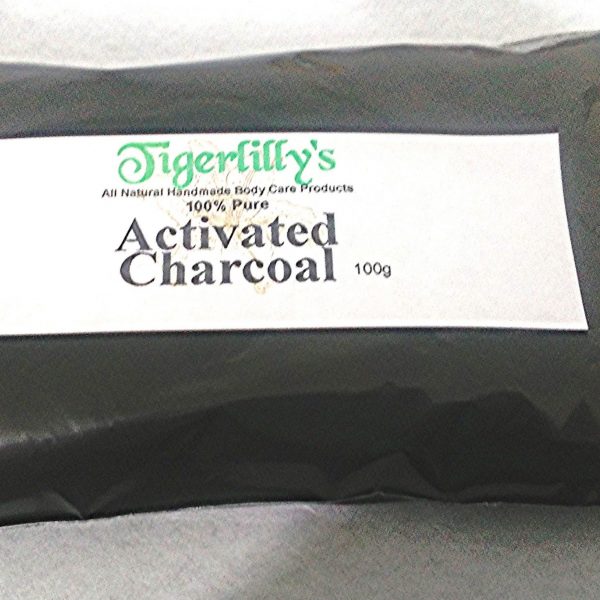
Activated Charcoal
Activated Charcoal - Pharmaceutical grade
Activated charcoal has a long history of medical and cosmetic use. It is also often used in soap making
Activated charcoal is a special form of carbon that can bind other substances on its surface (adsorption).
Caution: charcoal stains fabric
This product has not been certified as food grade
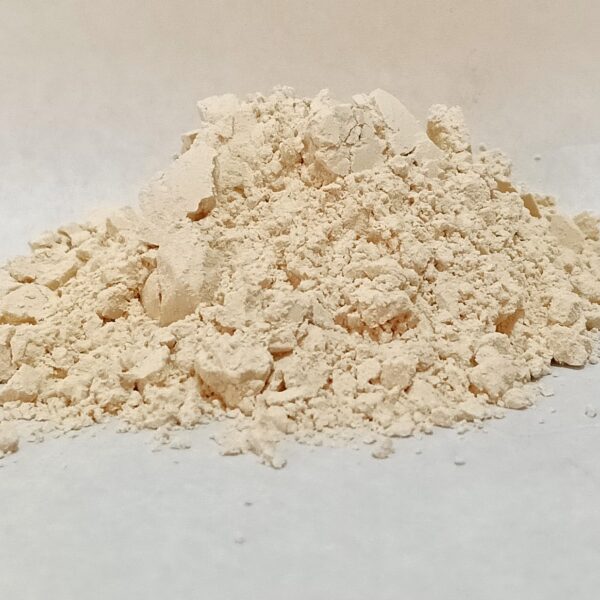
Clay – Australian Bentonite Clay Organic
Organic Bentonite Clay is a Sodium Bentonite, sourced from a natural deposit in Australia. It is finely milled to 45 microns, resulting in a silky-smooth powder with many uses.
Bentonite Clay, also known as Montmorillonite, is known to have an abundance of minerals, including calcium, magnesium, silica, sodium, copper, iron and potassium.
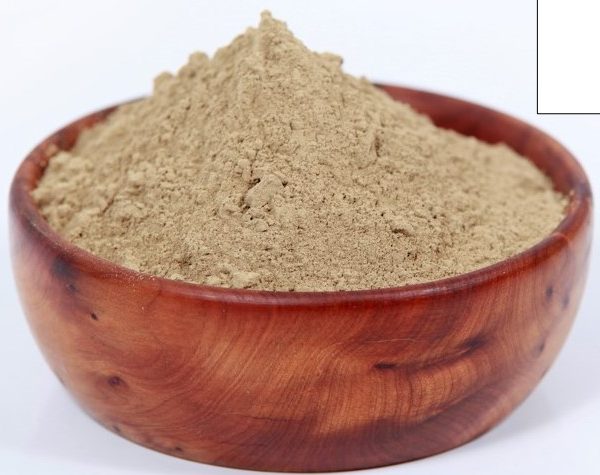
Clay – Australian Olive Green
Olive Green Clay from Australia
Recommended for normal to oily skin, draws out impurities and tightens pores. Olive Green Australian Clay is the strongest of all clay's and is best for detoxification and acne prone and oily skin.
Said to have analgesic and anti-inflammatory properties which makes it useful for muscular pain, swelling and arthritic or rheumatic conditions
Can be used in detoxifying body wraps, facial masks, face and body scrubs, soaps, mineral based or cream based cleansers, cosmetics and facial powders
100g
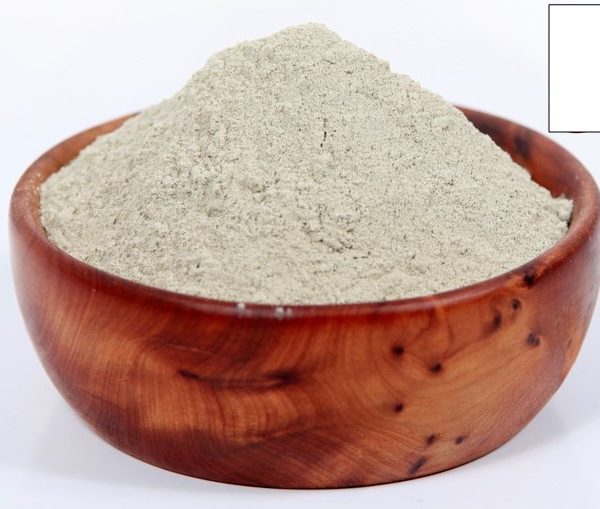
Clay – Australian Washed Blue
Washed Blue Clay from Australia
It is used in the treatment of oily and problematic skin, cleanses hair follicles and dissolves impurities on the skin. Washed Blue Clay helps to regulates sebum flow.
Blue Clay is particularly effective for mature or oily skin, and for dry or coloured hair. The benefits include removing impurities, pollution, and dead skin. It also oxygenates the skin.
Can be used in detoxifying body wraps, facial masks, face and body scrubs, soaps, mineral based or cream based cleansers, cosmetics and facial powders
100g
To Use.
When using clay add purified water or floral water, mix into a paste, and apply to the face or body. Allow to dry, rinse it off, spray with floral water or toner, and use your favourite moisturiser to finish.
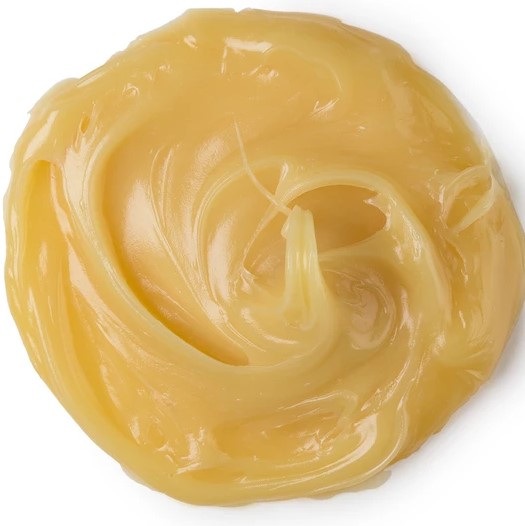
Lanolin
Lanolin is similar to substances found in humans skin it acts as an excellent emollient acting to soothe, moisturise and protect the skin whilst also functioning as an occlusive to help prevent moisture loss though the epidermis.
It is high alpha hydroxy acids which are commonly touted as having anti-aging and wrinkle reducing properties.
can also be used to treat chapped lips, diaper rash, dry skin, itchy skin, calluses, minor incisions and abrasions. Many varieties of shaving cream contain lanolin. As an ointment base, it is readily absorbed through skin.
Can be used in lip balms, moisturisers, body butters, creams, lotions, soap and hair products.
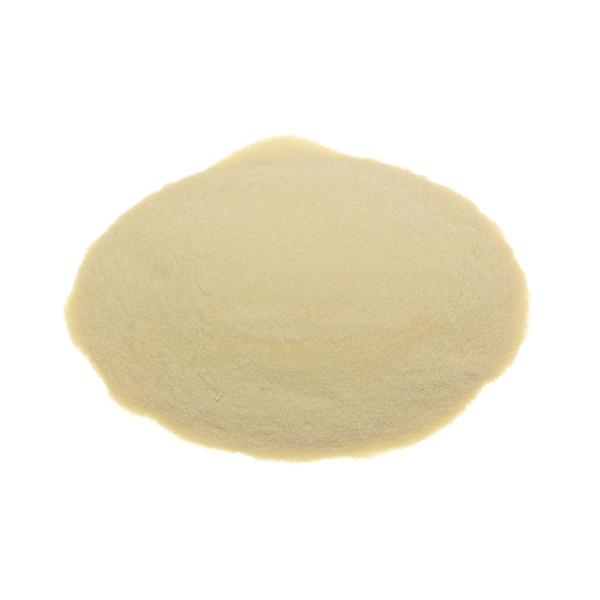
Xanthan Gum
Xanthan gum is a natural emulsifier, thickener and stabilizer, derived from bacterial fermentation of corn sugar. With amazing properties including solubility in both hot and cold water, tolerance to salt, tolerance to pH and temperature changes, it is ideal for making gels and for thickening and adding volume to lotions and creams. Use at 0.5-1%. For quick easy dispersion, mix Xanthan Gum with vegetable glycerin (this prevents lumps and reduces mixing time)
Food Use
Xanthan gum is also used as a substitute for wheat gluten in gluten-free breads, pastas and other flour-based food products. The Xanthan gum will help give the dough or batter a sticky consistency that would normally be achieved with gluten.
Use at 1-2 tsp per cup on gluten free flour.

Reviews
There are no reviews yet.